How to Spot a Crypto Scam: 12 Red Flags
The 12 red flags behind most crypto scams, from guaranteed returns and romance scams to fake exchanges and recovery fraud, and what to do if targeted.

What a seed phrase (recovery phrase) is, why anyone who sees it can take your crypto, and how to back it up safely offline, with the mistakes to avoid.
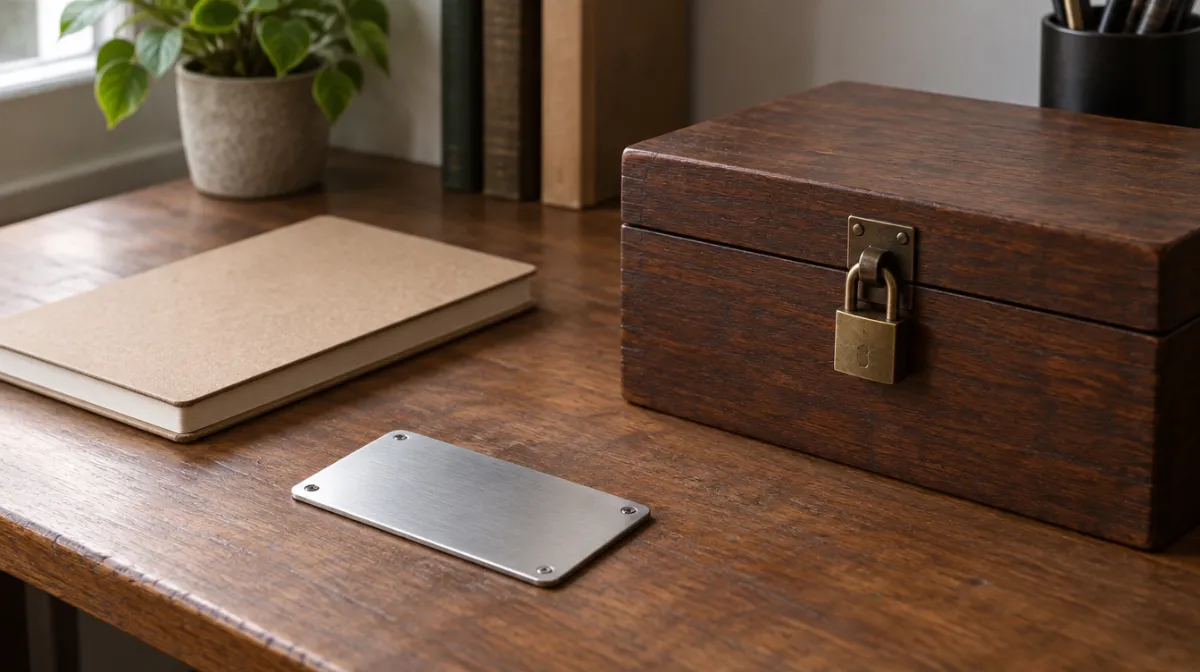
When you set up a self-custody crypto wallet, it shows you a list of 12 or 24 ordinary words and asks you to write them down. That list, the seed phrase (also called a recovery phrase), is the most important thing you will ever own in crypto. Lose it, and you may lose your coins. Share it, and you almost certainly will.
A seed phrase is a human-readable version of the secret number that generates all the private keys in your wallet. Most wallets follow a standard called BIP-39, which uses a fixed list of 2,048 words. From those 12 or 24 words, the wallet can recreate every address and key it has ever made.
That’s what makes it powerful: if your phone breaks or your hardware wallet is lost, you can restore everything on a new device by typing in the phrase. It’s also what makes it dangerous. Anyone who has your seed phrase can do exactly the same, from anywhere in the world, and crypto transactions can’t be reversed.
| Password | Seed phrase | |
|---|---|---|
| Can be reset | Usually | Never |
| Who holds a copy | The service | Only you |
| If stolen | Change it | Move funds immediately to a new wallet |
| If lost | Account recovery | Funds may be lost forever |
If your crypto is held on an exchange, you don’t have a seed phrase; the exchange holds the keys. Our guide to exchanges vs wallets explains the difference.
Some wallets support an optional passphrase, sometimes called a 25th word, which creates a separate hidden wallet. It adds protection if your seed phrase is found, but if you forget the passphrase, the funds are gone, so it suits experienced users. Multisignature wallets, which need several keys to move funds, are another option for large holdings. Pair any of these with a hardware wallet that keeps keys offline.
Assume the wallet is compromised. Set up a new wallet with a new seed phrase and move your funds to it immediately.
If you still have access to the wallet and its PIN, you can write down the phrase again or move funds to a new wallet. If you’ve lost both the device and the phrase, the funds are usually unrecoverable. Anyone offering to recover them for a fee is almost always running a scam.
Both are extremely hard to guess. The bigger risk is how you store it, not how long it is.

Every article is edited by a human and checked against our editorial policy. Spotted a mistake? Tell us.
The 12 red flags behind most crypto scams, from guaranteed returns and romance scams to fake exchanges and recovery fraud, and what to do if targeted.
How crypto rug pulls work, from drained liquidity to tokens you can’t sell, a famous example, the red flags to check before buying and what to do if you’re hit.
Hot wallets are convenient; cold wallets are safer. How each works, the real risks, costs and a simple rule for splitting your crypto between them.